|
|
Oil climbed to four-week high as UAE cuts Iran ties and Hormuz transits falterGlobal crude benchmarks climbed to four-week highs on Wednesday, lifted by escalating geopolitical fragmentation after the UAE severed economic ties with Iran, sluggish maritime transits through the Strait of Hormuz, and reduced Russian port loadings. |
|
Global crude benchmarks climbed to four-week highs on Wednesday, lifted by escalating geopolitical fragmentation after the UAE severed economic ties with Iran, sluggish maritime transits through the Strait of Hormuz, and reduced Russian port loadings.
International Brent crude futures settled up 60 cents, or 0.7%, at $91.62 a barrel, whilst US West Texas Intermediate (WTI) crude rose 89 cents, or 1.1%, to finish at $85.83 a barrel—marking the highest close for both contracts since 24 July.
Upward momentum was triggered by the United Arab Emirates suspending all financial and economic transactions with Tehran following recent missile attacks, deepening Middle Eastern risk premiums following the expiry of the US-Iran interim ceasefire earlier in the week.
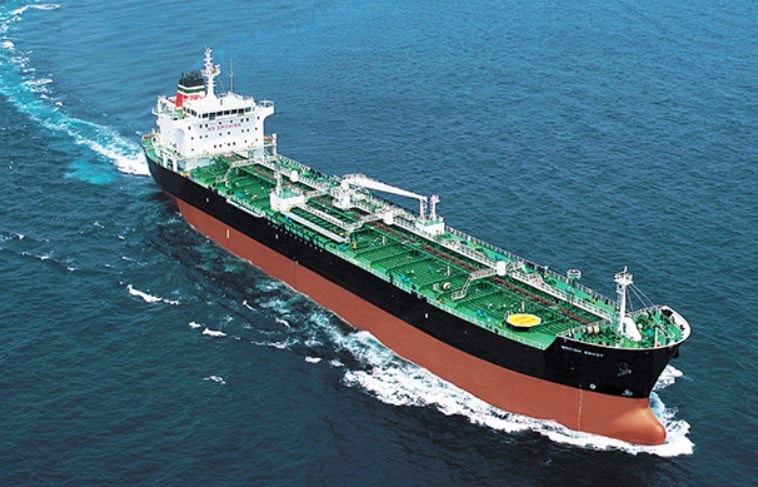
Physical supply tightness was reinforced by persistent bottlenecks in the Strait of Hormuz, where tanker crossings slipped to six vessels on Tuesday—well below the 10-day daily average of 11—according to Kpler tracking data. Secondary supply constraints tightened further as Russian crude shipments from western ports dropped 15% below plan to 2.3 million barrels per day in the first half of August amid persistent disruptions at Novorossiysk, while robust global refining margins pushed US refinery utilisation up 1 percentage point to 97.2%.
However, stronger upside momentum was checked by domestic stock builds, as US Energy Information Administration (EIA) data revealed commercial crude inventories expanded by 4.4 million barrels to 428.8 million barrels last week.
Written by: Aiman Haikal