
Oil rose over 1% as tightening Russia sanctions offset widening surplus concerns
Oil prices settled higher on Tuesday, supported by expectations of stricter sanctions on Russian exports and speculation that a change in US Federal Reserve leadership could signal a more supportive monetary stance
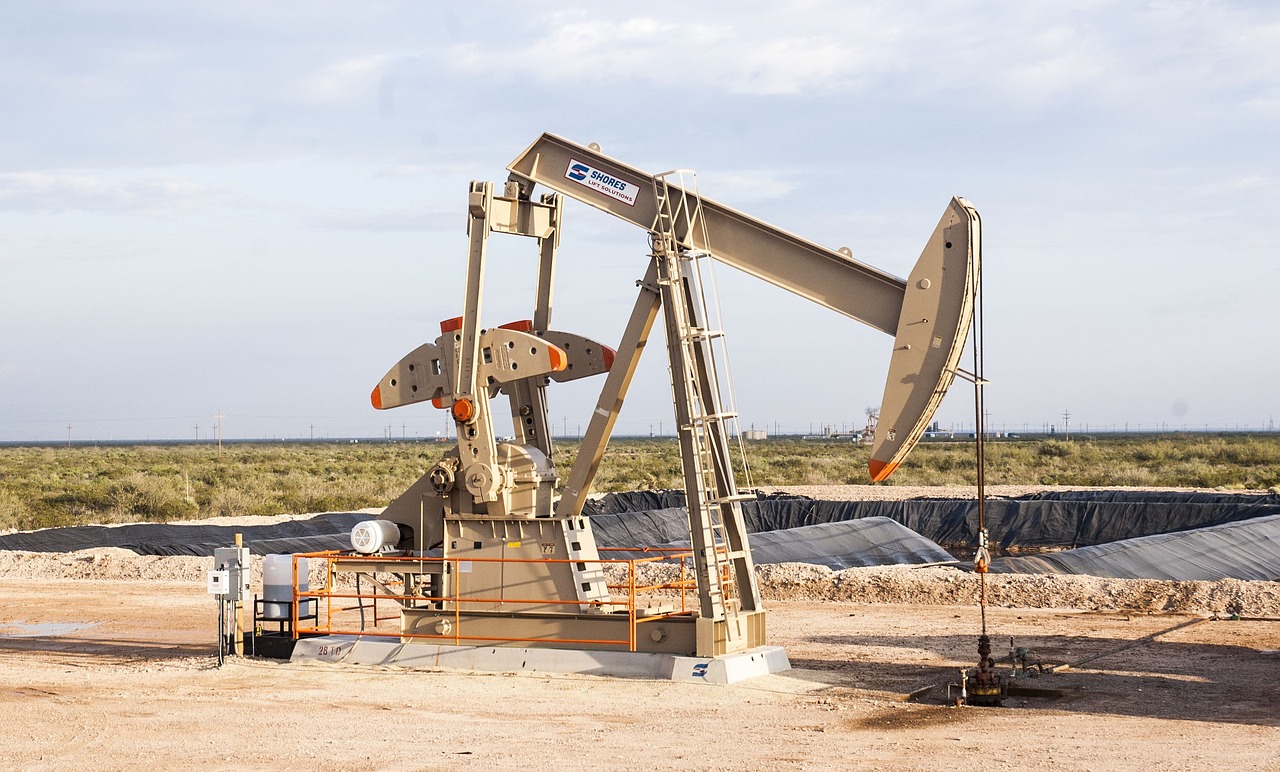
Oil prices settled higher on Tuesday, supported by expectations of stricter sanctions on Russian exports and speculation that a change in US Federal Reserve leadership could signal a more supportive monetary stance. Gains came despite fresh evidence of a widening supply overhang and rising US inventories.
Brent crude settled 69 cents higher, or 1.07%, at $64.89 a barrel.
WTI advanced 83 cents, or 1.39%, to $60.74 a barrel.
Futures briefly rose by more than $1 intraday after the US administration confirmed it had begun interviewing candidates for the next Federal Reserve chair, prompting hopes of lower borrowing costs and improved energy demand.
Sanctions developments remained the key bullish driver. The US Treasury said measures imposed in October against major Russian producers are already reducing state oil revenue and are expected to curb export flows over time.
However, broader fundamentals continued to limit upside. Forecasts point to a sizeable surplus emerging in 2026 as OPEC+ production returns to the market alongside higher output from non-member producers.
The latest US industry data reinforced the bearish supply outlook. Preliminary figures showed crude inventories rising by 4.45 million barrels in the week to 14 November, with gasoline and distillate stocks also increasing. The builds underscored persistent oversupply even as geopolitical developments support short-term pricing resilience.
Written by: Aiman Haikal