
Thailand’ SCG rebalances regional strategy with $500 million capital injection into Long Son Petrochemical
The move highlights SCG’s intent to reposition LSP as a core earnings contributor, even amid persistent margin pressures weighing on the broader petrochemical cycle.
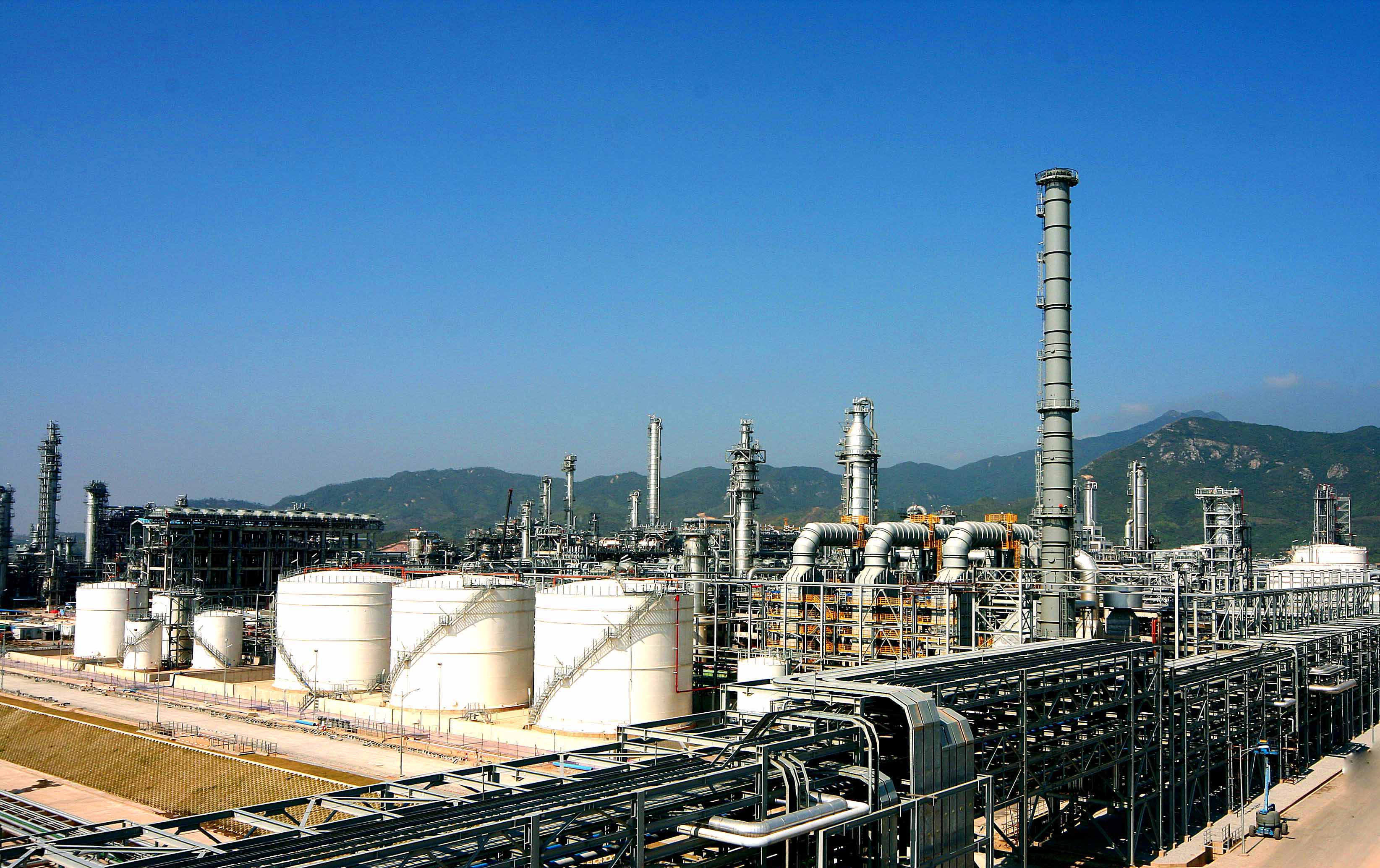
Siam Cement Group (SCG) has committed an additional $500 million capital injection into its wholly‑owned Long Son Petrochemical (LSP) complex in Vietnam, signalling a strategic effort to drive the beleaguered asset toward profitability by 2028. The move highlights SCG’s intent to reposition LSP as a core earnings contributor, even amid persistent margin pressures weighing on the broader petrochemical cycle.
The funding will support a suite of operational enhancements at the $5.6 billion integrated facility, including feedstock optimisation and cost-efficiency initiatives aimed at boosting competitiveness in the Asia-Pacific olefins and polyolefins markets.
SCG management frames the capital allocation as essential for sustaining LSP’s long-term trajectory. While near-term earnings have been challenged—exacerbated by prior operational suspensions due to narrow spreads—the group expects revenue to improve as utilisation stabilises and efficiency gains materialise, with guidance pointing toward positive cash flow by 2028, contingent on market recovery and successful execution of the enhancement program.
Following the August 2025 restart, operational discipline at LSP has strengthened considerably, with capacity utilisation surpassing 85%. The ramp-up is a pivotal step in SCG’s recovery roadmap: the facility is projected to reach total sales of 400,000 tons by the end of 2025, generating $700 million in exports over the coming year.
Market participants have cautioned that full-capacity operation at Long Son could trigger a meaningful rise in regional PE and PP supply, potentially intensifying oversupply if demand does not strengthen. “This could exacerbate existing imbalances unless consumption improves materially,” noted a regional trader. Industry watchers are therefore closely monitoring how additional volumes could reshape Asia-Pacific supply-demand dynamics in 2026, particularly against a backdrop of fragile margins and uneven demand recovery.
Written by: Aiman Haikal