
Oil gained as Venezuela sanctions and Black Sea attacks continue raise supply risks
Oil prices settled sharply higher on Monday, supported by renewed geopolitical friction that heightened concerns over global supply stability.
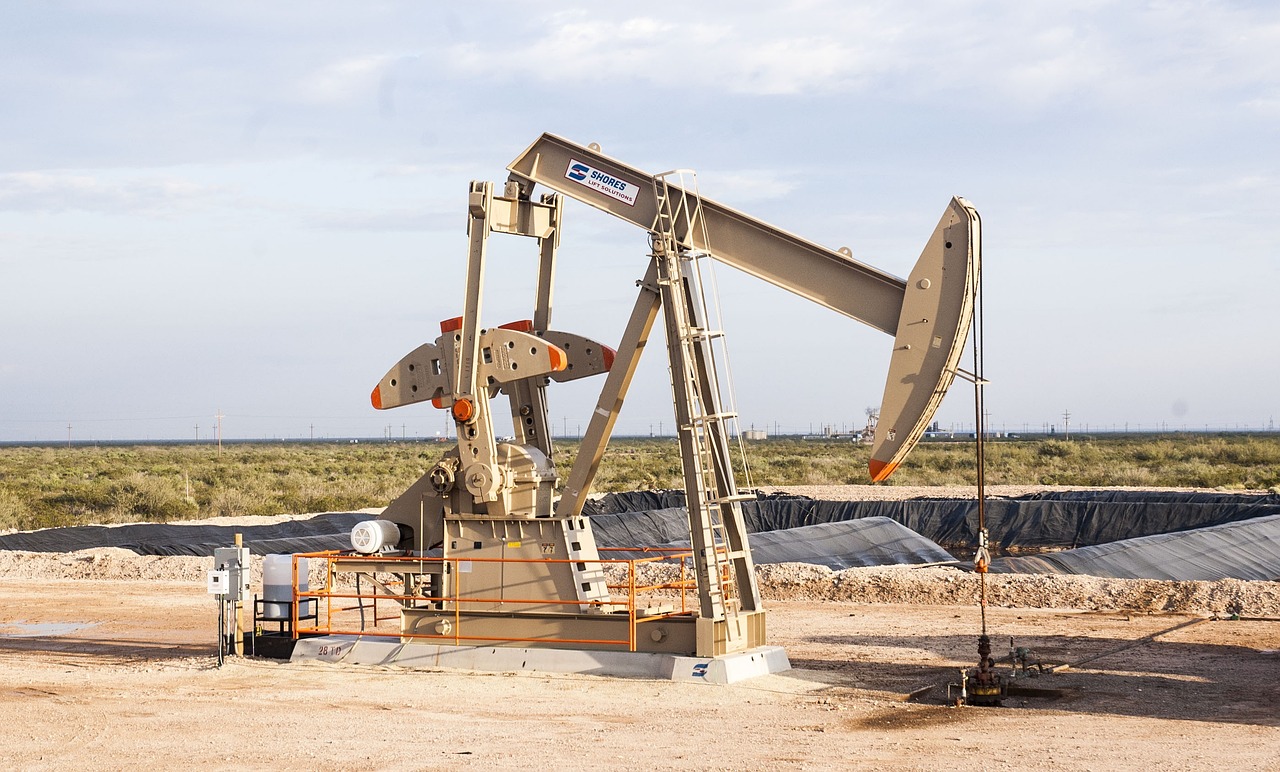
Oil prices settled sharply higher on Monday, supported by renewed geopolitical friction that heightened concerns over global supply stability. Aggressive US enforcement targeting Venezuelan oil shipments and Ukrainian drone strikes on Russian infrastructure in the Black Sea provided a significant technical floor for benchmarks.
Brent crude futures gained $1.60, or 2.7%, to settle at $62.07 a barrel.
US West Texas Intermediate (WTI) crude futures rose $1.49, or 2.6%, to $58.01 a barrel. The gain marked a reversal for WTI, which had faced pressure from two consecutive weekly declines.
Market sentiment was bolstered by the US Coast Guard’s pursuit of a third oil tanker in international waters near Venezuela on Sunday. US officials characterized the operation as an active enforcement of the “blockade” of sanctioned tankers recently announced by President Donald Trump. While Venezuela accounts for roughly 1% of global supply, the move has triggered a re-rating of the risk premium for China-bound shipments. Beijing on Monday criticized the operations as a violation of international law.
Further support emerged from reports of a Ukrainian drone attack on the Tamanneftegaz maritime oil terminal in Russia’s Krasnodar region. The strike reportedly damaged two vessels and two piers, sparking a fire at the terminal. As a vital hub for Russian energy exports, the disruption in the Black Sea has offset concerns over a projected global oil surplus in early 2026.
Despite the geopolitical rally, market participants remain cautious. Analysts noted that the gains are occurring amid lower year-end trading volumes and a continued standoff between bearish fundamentals and the escalating "geopolitical risk premium."
Written by: Farid Muzaffar