
Oil settled lower as record annual losses precede critical OPEC+ meeting
Oil prices ended lower on Friday, marking a cautious start to 2026 after posting their steepest annual decline since 2020, as investors weighed persistent oversupply concerns against heightened geopolitical risks.
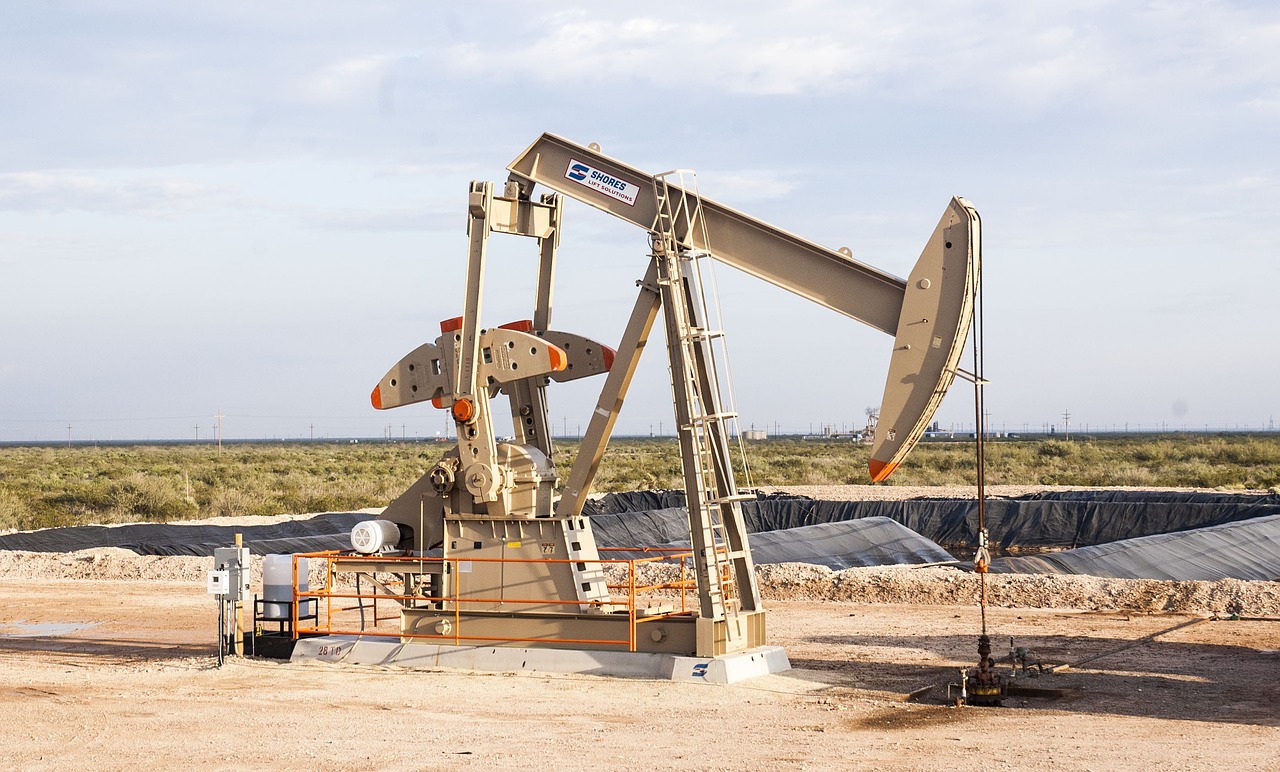
Oil prices ended lower on Friday, marking a cautious start to 2026 after posting their steepest annual decline since 2020, as investors weighed persistent oversupply concerns against heightened geopolitical risks.
Brent crude settled down 10 cents at $60.75 a barrel, while WTI fell by a similar margin to $57.32.
The market remained largely unmoved on Friday by intensifying friction across major producing regions. In Eastern Europe, Kyiv has ramped up strikes against Russian energy infrastructure to disrupt military financing, despite ongoing diplomatic talks overseen by US President Donald Trump.
Meanwhile, in the Middle East, internal OPEC+ tensions have surfaced as a crisis between Saudi Arabia and the United Arab Emirates over Yemen led to the suspension of flights at Aden's airport on Thursday. Additionally, US threats to intervene in Iranian civil unrest added to the regional risk profile, though analysts noted that the market appeared well-supplied regardless of these disruptions.
In the Western Hemisphere, the Trump administration recently tightened sanctions on tankers operating in the Venezuelan oil sector. However, the price impact was tempered by Venezuelan President Nicolas Maduro’s New Year’s interview, in which he expressed a willingness to coordinate on drug trafficking and invited US investment into the country's oil industry. This suggested a potential opening for diplomatic engagement on Friday, despite the ratcheting pressure from Washington.
As of Friday’s close, attention was firmly fixed on the OPEC+ meeting scheduled for Sunday. Market participants widely expected the alliance to continue pausing output increases through the first quarter of 2026 to maintain balance. Analysts noted that China’s continued crude stockpiling throughout the first half of the year should provide a physical floor for prices, even as long-term fundamentals signal a struggle against oversupply.
For now, analysts say oil prices are likely to remain rangebound, with geopolitical developments providing episodic support but underlying supply overhangs continuing to cap sustained upside.
Written by: Farid Muzaffar