
Crude benchmarks surged on mounting Iran tensions and Black Sea risks
Oil prices advanced by more than 2% during Tuesday’s trading session, as the prospect of a severe contraction in Iranian crude exports eclipsed signs of a supply recovery in the Western Hemisphere.
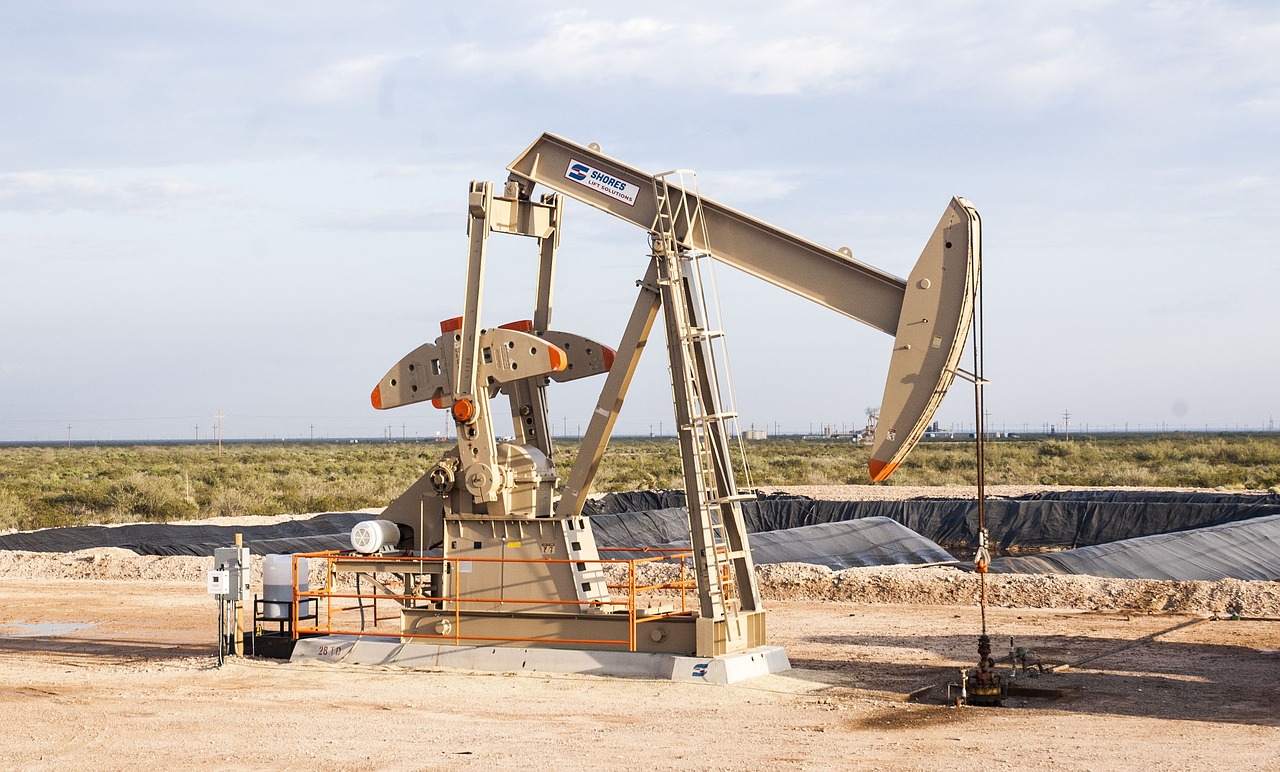
Oil prices advanced by more than 2% during Tuesday’s trading session, as the prospect of a severe contraction in Iranian crude exports eclipsed signs of a supply recovery in the Western Hemisphere. The rally reflects a market increasingly focused on geopolitical flashpoints rather than long-term inventory surpluses.
Brent crude settled up $1.60, or 2.5%, at $65.47 per barrel.
WTI gained $1.65, or 2.8%, to finish at $61.15.
The primary catalyst remains the deepening internal crisis in Iran. As nationwide protests face an intensifying state crackdown, Washington has signalled a shift toward more aggressive economic containment. Market analysts estimate that a full displacement of Iranian supply could strip approximately 3.3 million barrels per day (bpd) from the global balance. This "fear premium" was further bolstered by reports of unidentified drone strikes on four Greek-managed tankers in the Black Sea.
The widening geopolitical risk, currently estimated by industry experts at roughly $3–$4 per barrel, has pushed Brent’s premium over Middle Eastern benchmarks to its highest level since mid-2025.
However, the bullish momentum faced some resistance from developments in Caracas. Following recent political transitions in Venezuela, the US administration indicated that roughly 50 million barrels of crude—previously sidelined by sanctions—could begin flowing to American refineries as early as next week. While global trading houses are actively positioning to manage these volumes, the immediate threat of a Persian Gulf supply shock continues to dictate the market's upward trajectory.
Written by: Aiman Haikal