
Oil rebounded by nearly 2% as US-Iran naval clash reignites supply fears
Crude oil futures rallied on Tuesday, regaining a portion of the previous session’s steep losses amid fears of an military escalation in the Arabian Sea.
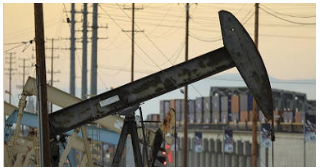
Crude oil futures rallied on Tuesday, regaining a portion of the previous session’s steep losses amid fears of an military escalation in the Arabian Sea. The rapid shift in sentiment was underpinned by fresh threats to the critical Strait of Hormuz transit corridor and industry data indicating a massive drawdown in US crude inventories.
Brent crude futures settled up $1.03, or 1.6%, at $67.33/barrel
WTI crude settled up $1.07, or 1.7%, to $63.21/barrel.
The geopolitical risk premium, which had evaporated during Monday's sell-off, returned after the US military shot down an Iranian drone that had "aggressively" approached the USS Abraham Lincoln aircraft carrier. Tensions were further inflamed by reports of Iranian armed boats harassing a US-flagged tanker in the Strait of Hormuz—a global maritime chokepoint handling the majority of crude exports from Saudi Arabia, Iraq, and the UAE.
Bullish momentum was further bolstered post-settlement by industry data revealing a tightening physical market. The American Petroleum Institute (API) reported a precipitous decline in US crude stockpiles of over 11 million barrels for the previous week. This contraction indicates that consumption remains robust while supply struggles to recover, providing a fundamental floor for prices.
Meanwhile, continued Russian attacks on Ukrainian energy infrastructure—breaching a fragile energy truce—have reinforced expectations that sanctions on Moscow’s oil exports will remain entrenched. This ensures a significant portion of global supply remains restricted, keeping global balances tight regardless of short-term diplomatic fluctuations.
Written by: Aiman Haikal