
Oil steadied as traders parse US-Iran signals; massive inventory build looms
Crude oil futures settled slightly lower on Tuesday, as market participants adopted a wait-and-see stance regarding the trajectory of US-Iran diplomatic relations.
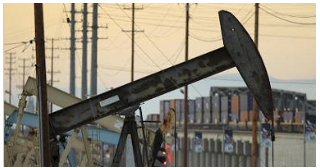
Crude oil futures settled slightly lower on Tuesday, as market participants adopted a wait-and-see stance regarding the trajectory of US-Iran diplomatic relations. The muted price action reflected a market caught between the lingering threat of supply disruptions in the Middle East and emerging bearish signals from the US economy.
Brent crude futures settled down $0.24, or 0.3%, at $68.80 per barrel.
WTI crude settled down $0.40, or 0.6%, at $63.96 per barrel.
The volatile geopolitical risk premium earlier in the week, paused for breath as traders digested mixed signals from Washington and Tehran. While US President Donald Trump suggested in an interview that Iran is eager to strike a deal on nuclear and ballistic missile programs, reports surfaced that US officials are weighing the seizure of Iranian tankers—a move that could invite immediate retaliation in the Strait of Hormuz. This dichotomy has left the market hesitant to commit to a direction without concrete evidence of either a diplomatic breakthrough or a physical disruption to flows.
Bearish momentum accelerated post-settlement following a shock reading on US supply balances. The American Petroleum Institute (API) reported a massive accumulation in US crude stockpiles of 13.4 million barrels for the week ending February 6, sharply defying analyst expectations of a modest 100,000-barrel build. The ballooning inventories, combined with data showing US retail sales were unexpectedly flat in December, suggest that demand growth may be slowing just as supply overhangs persist.
Meanwhile, traders noted that India purchased six million barrels of crude from West Africa and the Middle East, steering clear of Russian barrels in a bid to align with US trade objectives. Additionally, the EIA forecast that Venezuela’s production could be fully restored by mid-2026 following expanded US licenses, potentially adding further supply to a market already grappling with an uncertain demand outlook.
Written by: Aiman Haikal