
Official data: China’s manufacturing contraction deepens in February amid weak domestic demand and seasonal lulls
Analysts noted that while the index is seasonally adjusted for the nine-day Lunar New Year holiday, widespread temporary factory closures likely still weighed on the headline figure.
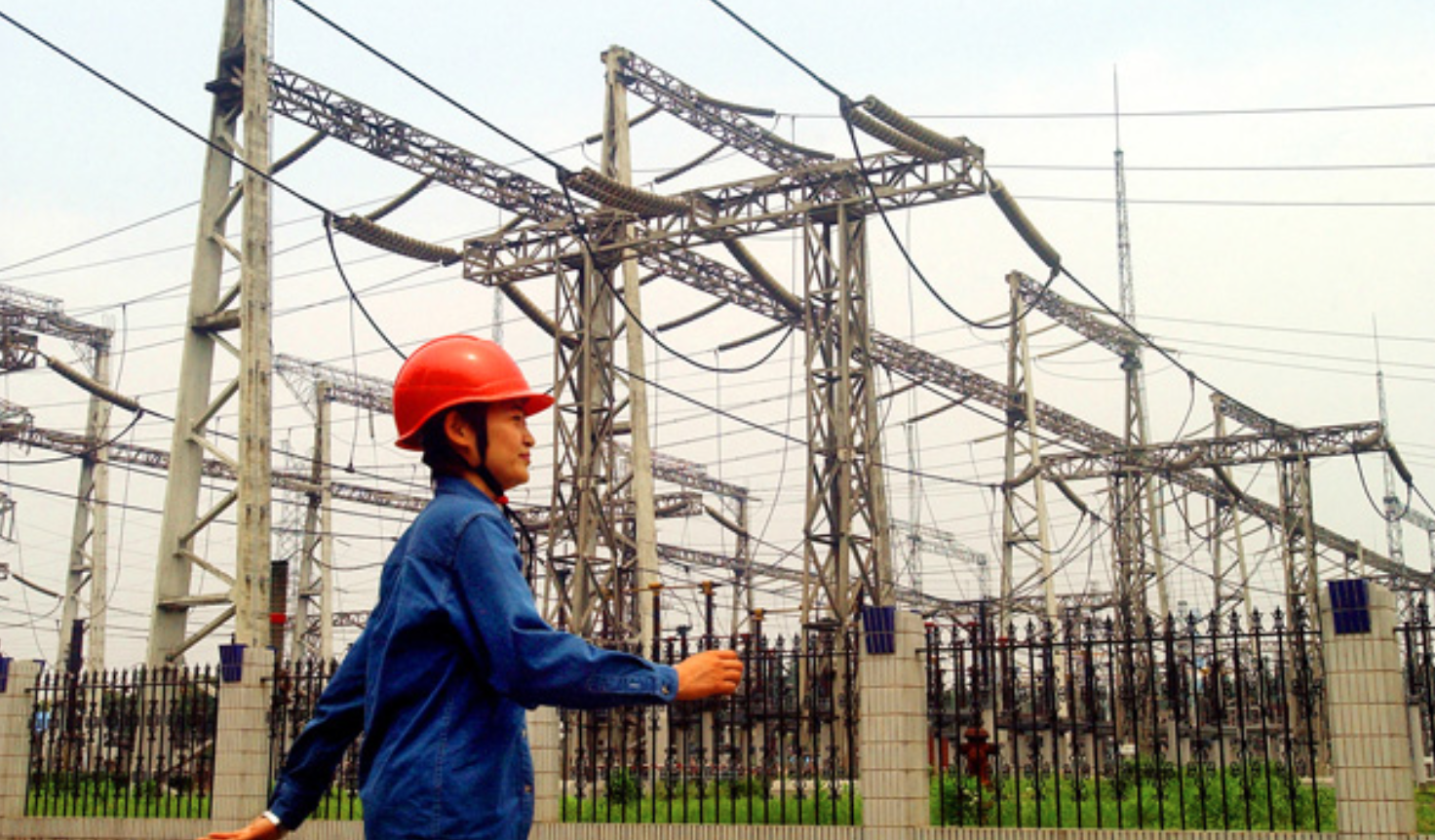
China’s manufacturing sector contracted for a second consecutive month in February, as domestic demand and investment remained subdued despite resilient export activity.
The official manufacturing purchasing managers’ index (PMI), released by the National Bureau of Statistics, fell to 49.0, down from 49.3 in January, marking a four-month low. The reading undershot a median forecast of 49.1 and remained below the 50-point threshold that separates expansion from contraction. Analysts noted that while the index is seasonally adjusted for the nine-day Lunar New Year holiday, widespread temporary factory closures likely still weighed on the headline figure.
Subindices signalled softness across the board. Production slid to 49.6, a 38-month low, ending a three-month expansion streak. New orders dropped sharply to 48.6, a 32-month low, while new export orders fell to 45.0. Employment remained in contraction for the 36th consecutive month, highlighting persistent structural pressures across the sector.
Activity outside manufacturing showed only marginal improvement. The non-manufacturing PMI, covering services and construction, edged up to 49.5 from 49.4, yet continued to signal contraction. The data underscore ongoing fragilities in domestic consumption and investment, even as exporters navigate record overseas demand and efforts to diversify trade away from the United States amid ongoing tariff pressures.
Policy support has remained restrained, with authorities refraining from fresh stimulus in late 2025 after the economy met its official growth target of around 5 per cent. Looking ahead, attention is on the national legislature’s annual session, where Premier Li Qiang is expected to announce the official 2026 growth target and outline the next five-year plan. Analysts project a more cautious target of 4.5 per cent, reflecting expectations for slower momentum in the first quarter without significant policy intervention.
While the Politburo has pledged proactive measures to stabilise employment and stimulate domestic consumption, economists remain sceptical that incremental interest rate cuts or further reductions in banks’ reserve requirements will deliver substantial lift. Authorities are also expected to issue fresh directives aimed at curbing industrial overcapacity, a strategic focus that may help rebalance growth but is unlikely to provide an immediate boost to factory activity.
Written by: Aiman Haikal