
Oil dropped 2% as delayed Iranian response to US ceasefire proposal spurs diplomatic optimism
Falling prices came in tandem with easing speculative premiums amid signs that Tehran is actively reviewing a US-mediated ceasefire proposal.
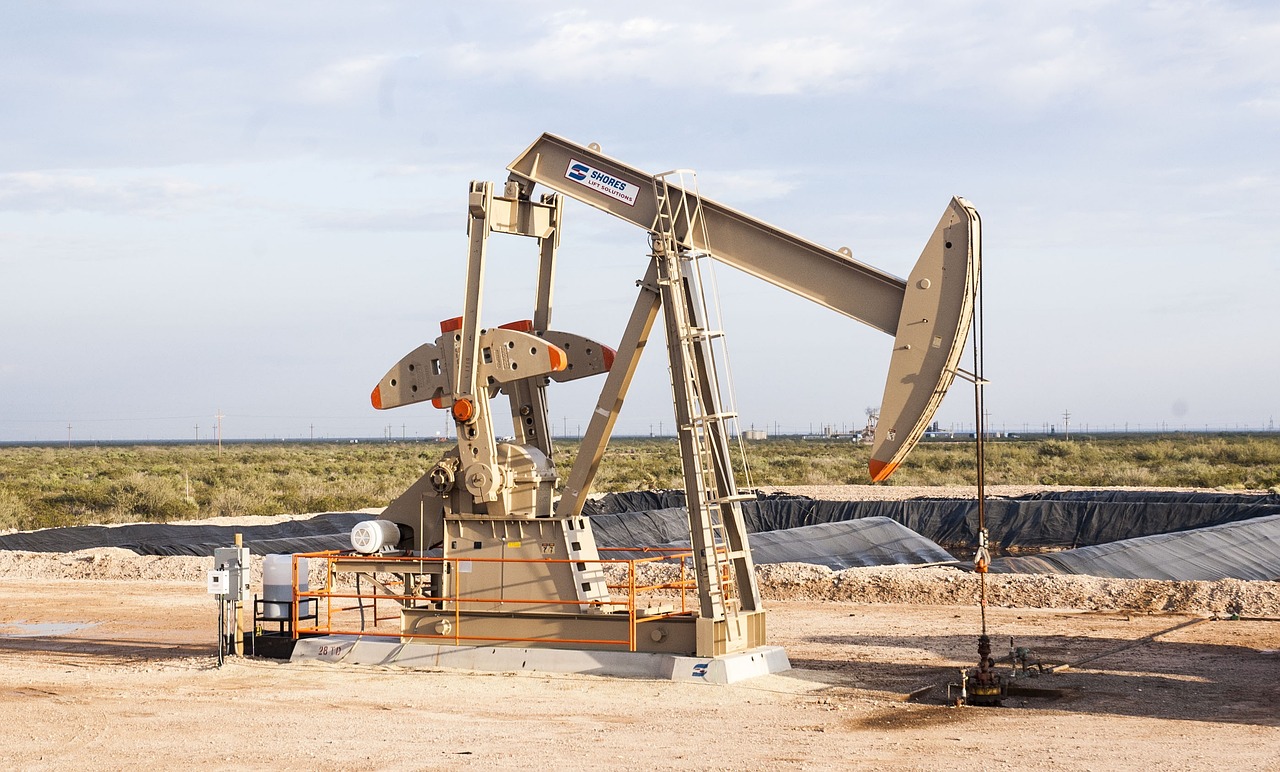
Global energy markets retreated on Wednesday as oil prices fell more than 2%, reflecting easing speculative premiums amid signs that Tehran is actively reviewing a US-mediated ceasefire proposal.
Brent slipped $2.27, or 2.2%, to $102.22 a barrel, recovering from an early 7% intraday plunge, while WTI closed at $90.32 a barrel, down $2.03, or 2.2%. The swings pushed 30-day historical volatility to its highest since April 2022.
Reports that Iran delayed a formal response to the 15-point peace framework delivered via Pakistan drove the repricing. Public rhetoric remains dismissive, yet the lack of outright rejection prompted algorithmic traders to factor in potential de-escalation.
Physical supply constraints continue to limit downside, with the Strait of Hormuz effectively blocked and sustaining a 20 million-barrel daily global shortfall, described by the IEA as a historic disruption.
US supply data added further context after the EIA reported a 6.9 million-barrel rise in commercial crude inventories, far exceeding forecasts, while Washington temporarily lifted sanctions on Iranian oil and LPG, enabling India to take its first cargo in years.
Geopolitical risk remains elevated elsewhere. Ukrainian drone strikes disrupted roughly 40% of Russia’s oil exports at the Primorsk and Ust-Luga Baltic terminals, keeping supply volatility firmly in play and supporting prices despite the diplomatic-driven pullback.
Written by: Aiman Haikal