
Oil settled mixed as severe physical tightness propels WTI amid Kharg Island strikes
Crude benchmarks diverged as acute prompt-market physical shortages and reported kinetic strikes on Iran's Kharg Island export terminal propelled US WTI to maintain a rare premium over Brent.
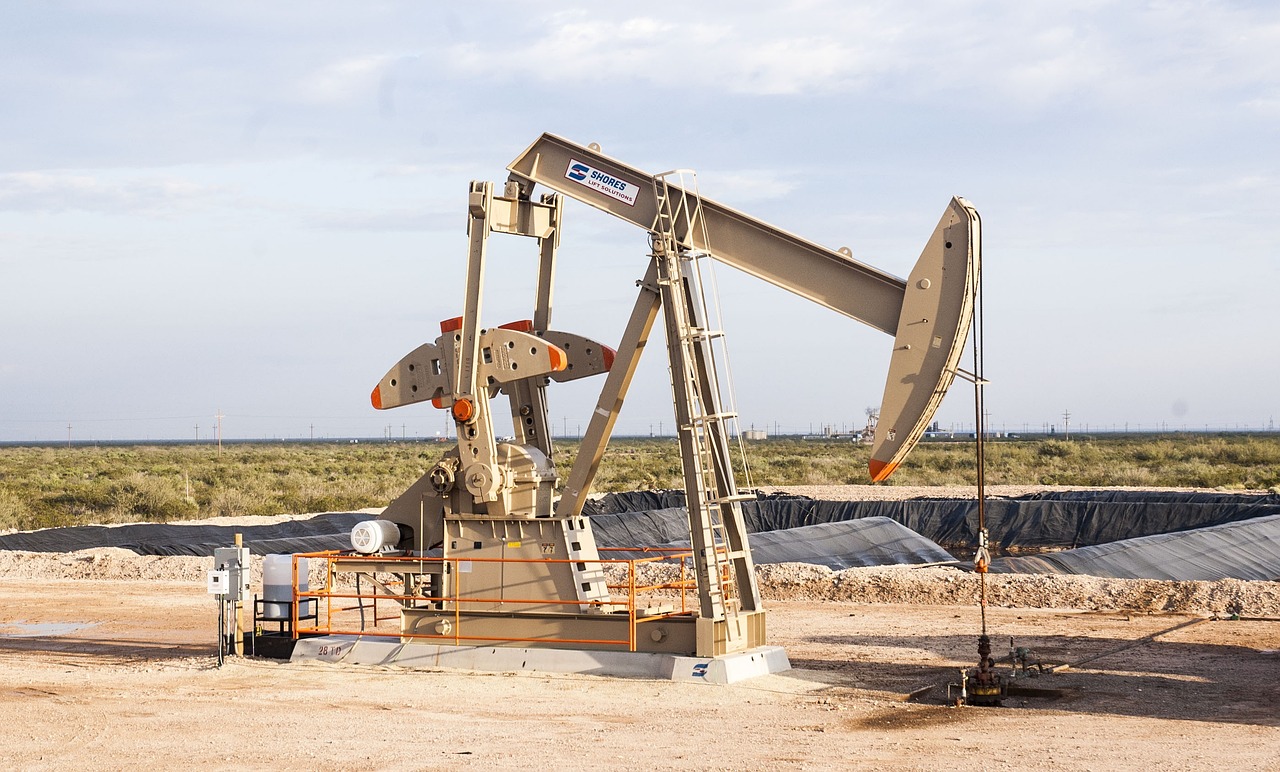
Crude prices settled mixed in volatile Tuesday trading, reflecting a sharp structural divergence between immediate physical demands and forward-month economic concerns. The US benchmark advanced on acute prompt-market tightness as regional kinetic operations escalated, while the international benchmark retreated slightly.
US WTI crude rose 54 cents (+0.5%) to settle at $112.95 a barrel, closing at its highest level since June 2022. Conversely, the June-delivered Brent contract fell 50 cents (-0.5%) to close at $109.27.
This divergence allowed the May-delivered WTI contract to maintain its rare premium over Brent. Furthermore, the WTI front-month contract established a record-high premium over its second-month counterpart, highlighting intense backwardation as refiners compete aggressively for immediately available barrels.
The paper market continues to trail the severity of actual physical shortages. With the Strait of Hormuz blockade severely restricting global flows, European and Asian refiners are reportedly securing specific physical crude grades at record spot prices approaching $150 a barrel, vastly exceeding forward paper benchmark valuations.
Immediate physical supply risks intensified late Tuesday as kinetic strikes escalated across Iranian infrastructure, most notably including reported explosions at Kharg Island, the country's primary oil export terminal. Global physical availability was further constrained by logistical shifts, with shipping data indicating Saudi Arabian crude exports via the Red Sea port of Yanbu fell by 15% week-on-week to average 3.9 million barrels per day.
Written by: Aiman Haikal