
Media: China pivoting to coal-based polymers as margins soar, threatening oil-dependent regional peers
Now, domestic coal adds an extra layer of insulation, providing a resilient, cost-advantaged base while regional peers face halted operations and price controls amid constrained naphtha and propane.
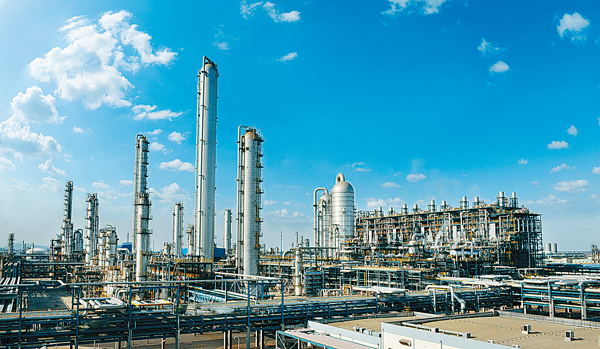
Margins for Chinese coal-based polymers are widening as domestic coal undercuts imported, oil-based feedstocks. High crude prices, state policies, and China’s years-long buildup of strategic oil reserves are helping local PE and PP producers weather supply disruptions in Southeast Asia. Now, domestic coal adds an extra layer of insulation, providing a resilient, cost-advantaged base while regional peers face halted operations and price controls amid constrained naphtha and propane.
China Shenhua Energy is fast-tracking vertical integration with a 133.6 billion yuan ($19 billion) acquisition, securing 512 million tons of coal annually and targeting 1.4 million tons of PE and PP by 2027, while Sinopec revives a $3 billion coal-to-olefins project and cuts conventional petrochemical investments to reduce reliance on maritime crude.
If crude remains at $80-100/barrel, coal-based chemicals retain a cost advantage, keeping margins highly compelling. In 2024, the modern coal chemical sector posted 11.93 billion yuan in profits, up 178.1%, with Ningxia Baofeng Energy Group expanding capacity to 5 million tons and net income rising 79%.
Falling domestic coal prices—down 12% in 2025—have widened the margin gap with oil to its strongest since 2015. Coal now accounts for roughly 20% of China’s olefins output, with further gains expected as investment flows into coal-based projects.
Government policy underpins the surge in coal-based chemical output, reinforcing investment and production incentives. The 15th Five-Year Plan’s dual carbon controls allow near-term emissions growth, supporting coal-to-chemicals expansion, with 120 million tons of coal replacing 38.1 million tons of oil and gas annually. While green hydrogen pilots signal future shifts, traditional coal-based production continues to rise.
Across Asia, the contrast is clear. Chinese producers are poised to expand PE and PP volumes competitively, while oil-dependent Southeast Asian markets remain constrained. As coal demand for power peaks in 2026, redirecting volumes into chemical production could further strengthen China’s market share, reshaping regional competition and pressuring oil-reliant petrochemical producers.
Written by: Farid Muzaffar