
Oil surged 5% as mutual US-Iran demands extinguish Hormuz reopening hopes
Global crude benchmarks surged roughly 5% on Monday, snapping the previous week’s steep sell-off as escalating political demands between Washington and Tehran dashed expectations for a near-term deal to reopen the Strait of Hormuz.
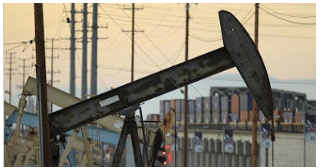
Global crude benchmarks surged roughly 5% on Monday, snapping the previous week’s steep sell-off as escalating political demands between Washington and Tehran dashed expectations for a near-term deal to reopen the Strait of Hormuz.
International Brent crude jumped $4.17, or 4.99%, to settle at $87.72 a barrel.
Both contracts logged their sharpest single-day gains since 29 July, reversing a 7% weekly loss driven by premature optimism over Omani-brokered maritime negotiations.
Pricing direction was firmly dictated by a hardening of diplomatic stances. Iran demanded the total removal of US sanctions and financial compensation prior to restoring transit, whilst US President Donald Trump insisted Tehran pay damages for casualties.
Supply constraints were compounded by escalating attacks on downstream energy infrastructure. Iran-backed Houthi militants struck Saudi Aramco’s 400,000 barrel-per-day Jazan refinery, delaying its operational restart to 30 August. Concurrently, state-owned ADNOC confirmed 15 UAE vessels have faced attacks in the strait since the conflict erupted, underscoring severe maritime hazards.
Broader supply risks remained heightened as Ukrainian military strikes targeted Russian downstream assets, hitting the Taneco oil refinery and the ZapSibNeftekhim petrochemical facility. Adding to bullish macro tailwinds, US Energy Department data revealed domestic Strategic Petroleum Reserve (SPR) stockpiles shrank by 6.1 million barrels last week to 298.7 million barrels, sinking to their lowest level since January 1983.
Written by: Aiman Haikal