
Oil edged higher as US Gulf storm shut-ins top 70%, countering Iran peace talk
Global crude oil futures settled slightly higher on Friday as expanding production shut-ins ahead of Hurricane Isaias in the US Gulf of Mexico offset early pressure from US–Iran diplomatic overtures and China’s export restart.
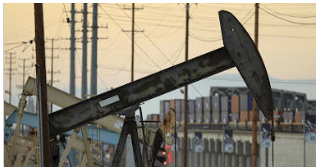
Global crude oil futures settled slightly higher on Friday as expanding production shut-ins ahead of Hurricane Isaias in the US Gulf of Mexico offset early pressure from US–Iran diplomatic overtures and China’s export restart.
|
BENCHMARK |
SETTLE (US$/BBL) |
CHANGE (US$) |
CHANGE (%) |
TREND |
|
Brent ICE, active front-month (Dec) |
104.72 |
+0.44 |
+0.4% |
▲ UP |
|
WTI NYMEX, front-month |
91.85 |
+0.36 |
+0.4% |
▲ UP |
|
Settlement prices for Friday, 9 October 2026. Change versus previous settlement. |
||||
|
BRENT Held above $104 as offshore US storm shut-ins surpass 70% |
WTI Defended $91 despite Trump peace overtures and China export restart |
Crude rebounded from intraday lows after early selling weighed on both contracts. Prices dropped early in the session as US President Donald Trump reported "productive" talks with Tehran, ruled out military strikes ahead of the 3 November midterms, teased an upcoming diesel announcement, and mooted a federal gasoline tax suspension. Downside deepened as China prepared to resume refined product exports post-Golden Week, with PVM Oil Associates noting that the combined headlines triggered immediate selling.
However, escalating weather disruptions in the Gulf of Mexico quickly arrested the decline. Hurricane Isaias shut in more than 70% of US offshore crude production by Friday—up from 1.3 million bpd (62.9%) on Thursday—forcing extensive platform evacuations. The domestic supply squeeze lifted WTI to $91.85/bbl (+0.39%), while Brent gained 44 cents (+0.42%) to settle at $104.72/bbl, sealing weekly gains for both benchmarks and widening the transatlantic spread to $12.87 a barrel.
Underlying war risks and product tightness continue to floor global benchmarks. While Iran is reviewing a proposal to reopen the Strait of Hormuz within seven days, fresh US sanctions on 17 vessels moving Iranian oil and heightened shipping attacks across the corridor sustain an elevated risk premium.
Written by: Aiman Haikal